
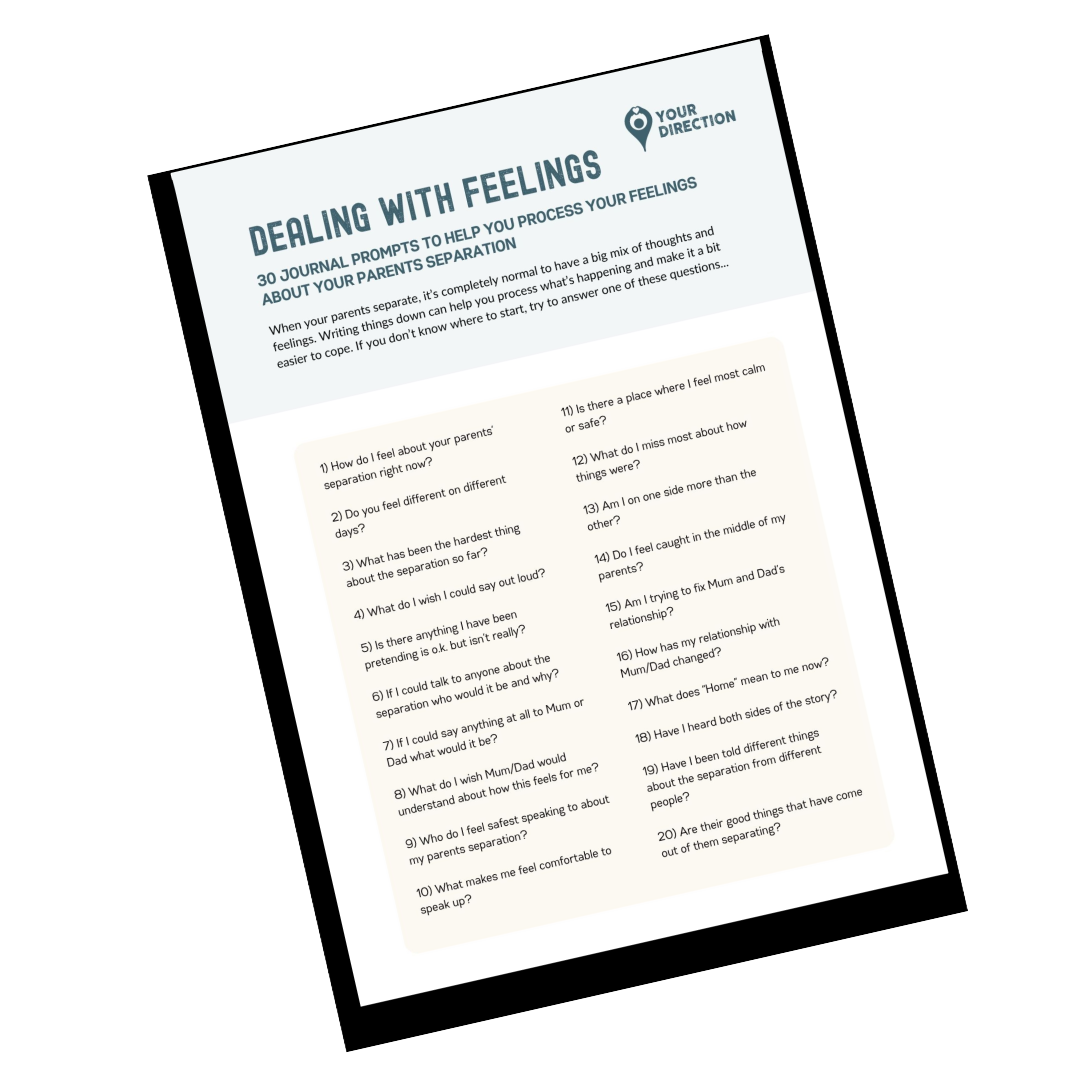
Why try journaling?
When your parents separate, it can feel like your whole world has shifted. You might have a mix of emotions — sadness, anger, confusion, or even relief — and it’s not always easy to make sense of them. Journaling can be a really powerful way to help you process what’s going on.
Give your thoughts somewhere to go
Writing things down gives your thoughts somewhere to go. Instead of everything building up inside, journaling helps you release emotions in a safe and private way. You don’t have to worry about saying the “right” thing or being judged — your journal is just for you. Sometimes, simply putting feelings into words helps you understand them better.
Spot patterns
Journaling also helps you spot patterns in how you feel. Over time, you might notice certain situations that make you angry or sad, or moments that bring you peace. Seeing these patterns can make it easier to figure out what you need and how to look after yourself. For example, if you notice something is really on your mind it’s a good sign to reach out, talk to your parents or a trusted friend about it.
See how far you’ve come
It’s also a great way to track your progress. When you look back, you’ll see how far you’ve come — how your feelings have changed, what you’ve learned, and what’s helped you cope. That can be really reassuring during tough times.
Your journal is just for you
There’s no right or wrong way to journal. You can write a few sentences each day, jot down bullet points, draw, or even record voice notes if writing isn’t your thing. What matters most is expressing yourself.
Journaling can help you find your calm
Journaling won’t make all the pain disappear, but it can help you find clarity, calm, and strength. It’s your space to process, reflect, and remind yourself that your feelings matter — and that you’re finding your way through this, one page at a time.